Children Are The Greatest Gift From God!
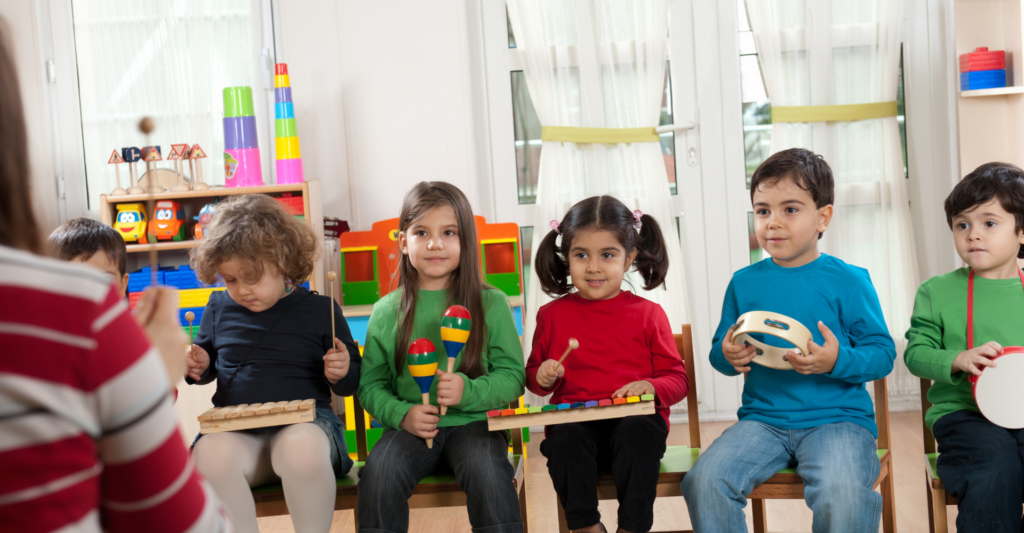
The Role of Music and Movement in Preschool Education
Music and movement hold an important role in early childhood education. Preschoolers are naturally inclined to respond to music, rhythm, and movement, making it an ideal tool for enhancing their cognitive, physical, and emotional development. Premier Christian Academy explores the crucial role that music and movement play in preschool education, and why incorporating these activities into the curriculum can greatly benefit young learners.
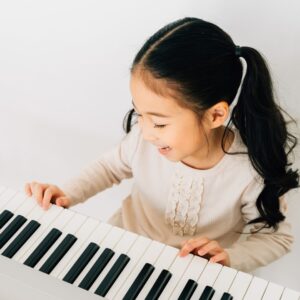
Enhances Cognitive Development
Preschoolers who engage in musical activities are more likely to develop strong cognitive skills. Music helps stimulate various parts of the brain, including memory, attention, and problem-solving abilities. By exploring different rhythms and melodies, children develop their auditory perception and vocabulary.
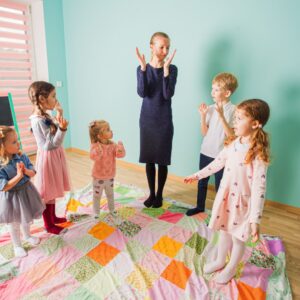
Supports Physical Development
Music and movement allow preschoolers to engage in physical activity, improving their gross and fine motor skills. Dancing to music helps in developing coordination, balance, and spatial awareness. Many movement-based activities also encourage the development of hand-eye coordination and strengthen muscles. Moreover, incorporating physical movement into learning helps children release energy and maintain focus during academic tasks.
Fosters Emotional and Social Development
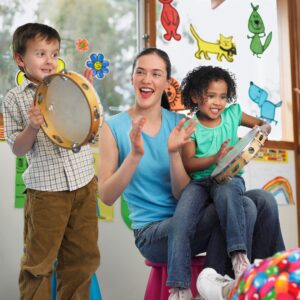
Music has the power to evoke emotions and stimulate self-expression, making it an essential tool for emotional and social development in preschoolers. Through music, children can explore and express their feelings, enhancing their emotional intelligence. Group music activities encourage cooperation, turn-taking, and sharing, fostering social interactions and building positive relationships with peers.

Enhances Learning and Memory Retention
Integrating music into the preschool curriculum can greatly enhance learning and memory retention. Research suggests that children who learn through music and movement retain information better and show improved long-term memory. Mnemonic devices such as songs and rhymes help young learners remember facts, concepts, and sequences effortlessly. Incorporating music into lessons also makes learning more enjoyable, increasing engagement and motivation among children.
When it comes to early childhood education, the role of music and movement cannot be underestimated. The benefits of incorporating these activities into the preschool curriculum are vast, encompassing cognitive development, physical fitness, emotional well-being, and improved learning outcomes. By embracing music and movement, educators can create a joyful and holistic learning environment that nurtures young minds and sets a strong foundation for future growth and development. Reach out to Premier Christian Academy in Northlake, TX, today and learn about how we incorporate music in our Abeka curriculum.
Schedule Your VisitInfant Program
(6 weeks to 12 months)
Toddler program
(1 to 2 ½ years of age)
PRESCHOOL PROGRAM
(3 years of age)
Pre-kindergarten program
(4 years of age)
BEFORE AND AFTER SCHOOL
(5 TO 12 years of age)