
Children Are The Greatest Gift From God!

The Benefits of Play-Based Learning in Early Childhood Education
In recent years, early childhood education has increasingly embraced play-based learning as a key method of teaching. This approach fosters creativity, critical thinking, and problem-solving skills in young children, making it an essential component of effective preschool programs. One standout example is the Abeka Curriculum, which integrates play with structured learning to cultivate well-rounded development. Premier Christian Academy explores this in depth.

Fostering Creativity Through Exploration
Play-based learning encourages children to explore their interests and express themselves creatively. In a preschool setting, children can engage in various activities, from building with blocks to role-playing in a make-believe environment. The Abeka Curriculum supports this creativity by providing age-appropriate materials and activities that stimulate the imagination while reinforcing important concepts.

Developing Social Skills
One of the most significant advantages of play-based learning is its role in developing social skills. As children collaborate with peers during play, they learn to communicate, share, and resolve conflicts. These experiences establish essential interpersonal skills that will serve them well throughout their education. A strong preschool program, such as one based on the Abeka Curriculum, prioritizes social interaction and group activities to nurture these abilities.

Encouraging Cognitive Development
Play-based learning directly impacts cognitive development by allowing children to experiment and problem-solve. Through various hands-on activities, children learn to think critically and approach challenges with curiosity. The Abeka Curriculum incorporates these elements, ensuring that children develop essential cognitive skills while enjoying the learning process.
Enhancing Physical Development
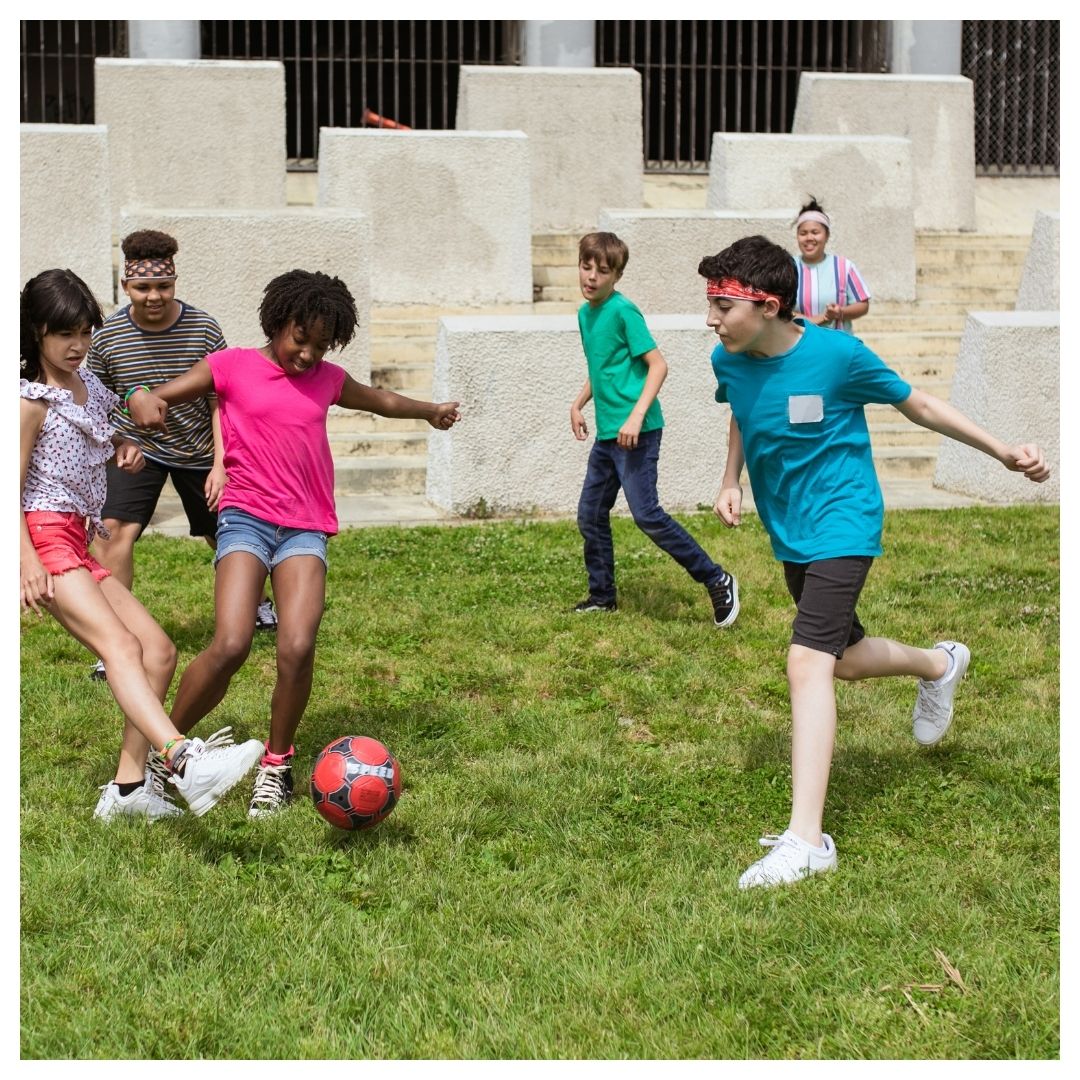
Play-based learning offers invaluable opportunities for physical development. Whether through running, jumping, or fine motor activities, children improve their coordination and motor skills in a playful context. This holistic approach is crucial when physical activity is intertwined with cognitive growth.
Play-based learning provides numerous benefits that enhance early childhood education. With the Abeka Curriculum at the forefront, preschool programs can create a dynamic and enriching environment that prepares children for future success. Contact Premier Christian Academy for more information.
Contact Us
Infant Program
(6 weeks to 12 months)
Toddler program
(1 to 2 ½ years of age)
PRESCHOOL PROGRAM
(3 years of age)
Pre-kindergarten program
(4 years of age)
BEFORE AND AFTER SCHOOL
(5 TO 12 years of age)